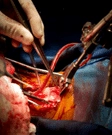
Vascular Surgery in India
Vascular surgery deals with surgery of blood vessels (arteries and veins) except the coronary and intracranial arteries
What is Vascular Surgery?
Vascular surgery helps to correct problems in your blood vessels that obstruct the normal flow of blood. All cells in your body need oxygen to function. The blood has to supply this much-needed oxygen to these cells. Any blocks in the blood vessels will result in a lack of oxygen to the area supplied by it.
There is a network of blood vessels in your body that reach all parts of the body. Arteries are the blood vessels that transport oxygen-rich blood from the heart to different parts of the body. It further branches into smaller blood vessels called arterioles and blood capillaries. Veins are blood vessels that carry blood from various parts of the body to the heart. Small branches called venules join together to form veins.
Your blood vessels can develop blocks due to many reasons. The formation of cholesterol plaques inside the walls of the blood vessels is the most common one. It reduces the width of the blood vessels and prevents them from carrying the usual volume of blood.
Any reduction in blood supply to any part of the body will create problems. If there are blocks in the blood vessels that supply the lower part of your body, you will have pain or cramps in the legs.
Your legs may feel cold and numb. In the same way, blocks in arteries that supply the hands can make your hands cold and clammy. Blocks in arteries of the brain can cause a brain stroke. Similarly, blocks in the veins can cause swelling of the legs and arms and clots in the veins.
Vascular surgery corrects these problems by various methods. It will help to increase the width of the blood vessels allowing blood to flow more freely. At times, if the blocks are large, the vascular surgeon will place a graft to bypass it.
Diseases that need vascular surgery
- Aortic aneurysms- These are blood-filled bulges in the thoracic or abdominal portions of the aorta. It occurs when its walls get weak and become less elastic. If the aneurysm is large, it may burst and bleed, which is a big risk. The surgeon treats it by replacing the aneurysmal part with a graft or by placing stents that support the weak area.
- Peripheral arterial disease(PAD)- In this, the small arteries that supply blood to your legs have blocks. You will have pain in the legs, and it will feel cold as well. It happens due to the deposition of fat inside the walls of the arteries. The treatment is by bypassing the occluded arteries using grafts or by inserting stents.
- Carotid artery disease- Your carotid arteries supply blood to the brain and the head region. These are large arteries since the brain needs lots of blood to function. Deposits of fat inside the walls of these arteries can make them narrow. The result is a decrease in the flow of blood to the brain. It can cause a TIA (Transient ischemic attack) or stroke.
- Raynaud's disease- In this condition, small arteries that supply blood to the fingers and toes constricts. Your hands and toes will feel numb and cold. Stress and cold weather are the most common triggersBeurger'scts women Beurger's more than men.
- Buerger's disease- In this disease, also called thromboangitis obliterans(TOA), walls of the small arteries that supply blood to the arms and legs get inflamed. Blood clots also develop in these arteries to obstruct the flow of blood. You are more likely to get it if you are a smoker.
- Deep vein thrombosis- It occurs when blood clots form in the large veins that take blood from the legs and arms to the heart. Blood clots form when you keep your legs or arms without moving for a long time. Sitting in a cramped seat with no room to move your legs as in airplanes, taking rest after major surgery are some of the reasons.
Types of vascular surgery
Aneurysm repair surgery-Aneurysms are blood-filled bulges that form in the walls of arteries. It is more common in the aorta and cerebral arteries in the brain. During open repair surgery, the surgeon will open the aneurysm walls and attach a blood vessel graft at both ends. The surgeon will then wrap the walls around the graft. The surgeon will have to open the chest to reach an aneurysm in the aorta. In a cerebral aneurysm, the surgeon will have to open the skull bone.
EVAR or endovascular aneurysm repair-It is a minimally invasive surgery. In this, the surgeon will place a wire mesh or stent in the area of the aneurysm. It helps to make the walls stronger and also prevents it from bursting. The doctor will introduce the stent through an artery in the groin for an aortic aneurysm. For a cerebral aneurysm, the doctor will choose an artery in the neck.
Before these procedures, your doctor will look into a few things. They include the size and location of the aneurysm. Smaller ones will not need any treatment. A larger aneurysm that can rupture and cause a danger for your life will need any of these treatments.
Carotid endarterectomy- You will have this if you have blocks in the carotid arteries that supply blood to the brain. During this, the surgeon will open the arteries and remove the fat deposits on its walls. These arteries pass through the sides of your neck. So the surgeon will cut the side of the neck to reach it.
Blocks in the carotid arteries can lead to a stroke. Your doctor will suggest this procedure if you have any signs of a decreased blood flow to the brain.
Carotid angioplasty and stenting- You will have these if the blocks in the carotid arteries are limited to a small area. In this, the doctor will open the blocks with the help of a small balloon as the first step. He or she will then leave a stent in the area to keep it open. The stent prevents the area from being narrow again. The doctor will introduce the balloon and stent through an artery in the neck.
Vascular bypass surgery- You will have this if you have large blocks in your arteries that supply blood to the legs. Your surgeon will take a blood vessel graft from another part of your body and then join it at both ends of the blockage. It provides a path for the blood to flow by 'bypassing' the area with the block.
Risks and complications of vascular surgery
The risks and complications involved with vascular surgery are:
- Infection of the surgical wound
- Bleeding from the area
- Swelling in the legs
- Kidney Failure
- Failure of the blood vessel grafts
- Heart attack
- Stroke
- Swelling of the leg
Recovery from vascular surgery
Your recovery will depend on your general health and the extent of the disease. If you do not have diabetes, high blood pressure, heart diseases, etc., you will have a better outcome from the treatment.
You will have to make changes in your diet and habits to prevent the problem from coming back. Having foods with lots of nutrients and less fat is ideal. If you smoke, you will have to quit the habit. You will have to be physically active as it helps to improve the blood flow through the body
Top Hospitals for Vascular Surgery
We partner with India's most respected accredited hospitals.




Frequently Asked Questions
Vascular surgery helps to correct problems in your blood vessels that obstruct the normal flow of blood. It will help to increase the width of the blood vessels allowing blood to flow more freely. At times, if the blocks are large, the vascular surgeon will place a graft to bypass it.
Vascular surgery helps to correct problems of the blood vessels in the body. It helps to treat problems of both arteries and veins. Some of the common procedures are
- Aneurysm repair surgery
- EVAR or endovascular aneurysm repair
- Carotid endarterectomy
- Carotid angioplasty and stenting
- Vascular bypass surgery
Vascular surgery treats problems in the arteries and veins of your body. Some of the diseases that may need vascular surgery are
- Aortic aneurysms
- Cerebral aneurysms
- Peripheral arterial disease(PAD)
- Carotid artery disease
- Raynaud's disease
- Buerger's disease(TOA)
- Deep vein thrombosis
- Varicose veins
Vascular surgery aims to correct these diseases by improving the blood flow through the arteries and veins.
Your recovery will depend on the type of surgery that you have. It will range from 2 to 4 weeks, depending on your condition.
A few things that you can do to speed up the recovery and prevent the problems from coming back are
- Eating a healthy diet with less fat
- Keeping your blood sugar levels under control
- Quitting smoking
- Being physically active
Get a Free Quote
We respond within 2 working hours.
Request Received!
A coordinator will contact you within 2 working hours.