Valve Replacement Surgery in India
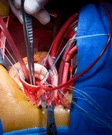
Valve replacement surgery is a cardiac surgical procedure to replace or repair Mitral Valve or Aortic Valve in the heart
Get a Free Quote
Our coordinators respond within 2 working hours.
🔒 100% confidential. No spam, ever.
Your Journey with INDHEAL
Free Consultation
Share your medical reports. Our coordinators connect you with the right specialist within 2 working hours.
Travel to India
We arrange your visa letter, airport pickup, and accommodation near the hospital.
Treatment
Your procedure at a JCI or NABH accredited hospital with an internationally trained surgeon.
Recovery
Recuperate comfortably with dedicated nursing care and daily coordinator check-ins.
Follow-up
Return home with full medical records and ongoing remote follow-up from your care team.
Valve Replacement Surgery — Key Facts
- Mitral valve replacement and Aortic valve replacement are the 2 main types
- Heart diseases are the Number 1 one cause of death
- Mitral Valve Prolapse(MVP) is the common heart valve disease
- Mitral valve stenosis is more common in women
- Aortic Valve Prolapse(MVP) is more common in men
Why Choose India for Valve Replacement Surgery?
Save 60–80%
World-class treatment at a fraction of US, UK or Australian costs — without compromising on quality.
Expert Surgeons
Internationally trained specialists with thousands of successful procedures and global accreditations.
No Wait Times
Get treated within days of arrival. Full concierge support for visa, travel and accommodation.
Top Hospitals for Valve Replacement Surgery
View all →



Frequently Asked Questions
Valve replacement surgery is a safe surgery with very few risks and complications. Most of these risks and complications are easily correctable. Some of the common risks include bleeding, wound infections, breathing problems, etc. Arrhythmia or irregular heartbeats will occur in a few. Generally, all these are temporary and get better with time
You will not have any major restrictions after a valve replacement surgery. It is good for you to have periodic check-ups to assess the functioning of the valve. If you have a mechanical valve you will need to take blood-thinning medications to prevent blood clots around the valves. You also will have to take precautions before certain surgical procedures to avoid infection of the valves
There are two types of artificial heart valves. They are mechanical valves and biologic valves. Mechanical valves are made of materials like metals, carbon, etc. Biologic valves are made from human or animal heart tissue. Mechanical valves are more durable and last for the rest of the patient’s life. But the formation of blood clots on the surface is a disadvantage. Biologic valves function better and have a few disadvantages. But these valves last only for twelve to fifteen years after which another surgery is necessary
Ready to get started?
Free consultation. No commitment. Response within 2 working hours.
Get a Free Quote
We respond within 2 working hours.
Request Received!
A coordinator will contact you within 2 working hours.