
Spondylosis in India
Spondylosis is caused by degeneration of the spinal column.Treatment options include medication, therapies and surgery
What is Spondylosis?
Spondylosis is the degeneration of the vertebrae of the spine. It is a type of degenerative arthritis.
As you grow older, it is natural for some wear and tear to happen in your spine. It affects the vertebrae as well as the discs that act as cushions between the vertebrae.
Spondylosis more commonly affects your cervical and lumbar vertebrae. You may have severe pain in the neck or the lower back as an early symptom. As the condition worsens, you start having problems with spinal nerves. Numbness or pain in the arms or legs is very common.
MRI or CT scan of the spine will help to detect spondylosis. Medicines and physical therapy will usually help you to get relief from symptoms. But if it becomes severe, you will need surgery to get relief.
Types of Spondylosis
Spondylosis can affect any vertebrae in your spine. Lumbar and cervical spondylosis are more common than thoracic spondylosis.
Causes of Spondylosis
Your spine supports the weight of your upper body and the head. It consists of bones called vertebrae that lie one on top of the other. Ligaments attach each vertebra to the others. Intervertebral discs that lie in between the vertebrae act as cushions to reduce the stress on vertebrae. They also act as shock absorbers to limit the impact on each vertebra.
As you grow older, many changes occur in the spine. Degenerative changes occur in the vertebrae, discs as well as the ligaments. Some of these are
Bone spurs- As your vertebrae wear downs with age, the body tries to compensate for it by making new bony growths. These growths or bone spurs may compress the spinal cord or nerves.
Slipped discs- Also called herniated discs, in this condition, the intervertebral discs crack open and spill its contents outside. These contents put pressure on the spinal cord and the nerves to cause symptoms
Disc compression- There is a gel-like material inside your intervertebral discs that contain a lot of water. It helps the discs to change in size with pressure, which makes them sound shock absorbers. As you age, the water content in the discs lessens, making it hard, dry, and thin. It causes the vertebrae to press against each other, causing compression of the spinal cord and nerves.
Stiffness of the ligaments- As you age, the ligaments that connect your vertebrae become less elastic. It leads to the stiffness of the spine.
Injury to the spine- Any damage to the spine will speed up its degeneration.
Overuse- Repetitive movements of some of the vertebrae in the spine as part of work will increase the rate of wear and tear.
Spondylosis - Risk factors
Some of the factors that increase your risk are
- Increasing age- Aging is the most critical risk factor. More than eighty percent of those above the age of sixty will have spondylosis. The severity will vary from person to person.
- Family history- Genetics has a part in spondylosis. You are more likely to get it if you have an immediate family member with the condition
- Injury to the spine- Injury to the vertebrae in the neck or lower back will increase your risk.
- Previous spine surgery- You are more at risk if you have a history of spine surgery
- Being overweight- Your higher body weight will put a lot of pressure in the lumbar vertebrae
- Smoking- Smokers are at a higher risk as smoking speeds up the degenerative process.
- Nature of your work- If your job involves repetitive movements of the neck or back, there will be more wear and tear at a faster rate
- Inactive lifestyle- A lack of physical activity will cause your spine to age faster than usual
Symptoms of Spondlyosis
Almost eighty percent of those above the age of sixty will have some amount of spondylosis. But only thirty to forty percent will have any symptoms. The symptoms occur when the condition becomes severe.
- Neck pain- You may feel pain in the neck, shoulders, and down the arms. Headaches are also frequent.
- Back pain- Pain in the lower back is the most common symptom of lumbar spondylosis. Back pain due to a bulging disc will be more while standing, sitting, or bending forward. You will get relief with walking or changing positions. If the cause of your pain is bone spurs, it gets worse with walking. You will have relief with rest or bending forward.
- Pain in the groin, thighs, and legs- It occurs when the damaged discs put pressure on the nerves. You may feel a pain shooting from your back and down to your legs.
- Numbness- It occurs due to the pressure on the spinal cord and nerves. You may feel numbness or weakness in your arms, legs, etc.
- Tingling in the arms or legs- You may feel a sensation of pins and needles.
- Stiffness- You may have stiffness in the neck or lower back. It usually gets better as the day passes.
- Loss of bowel or bladder control- These occur when the condition is severe
Diagnosis of Spondylosis
If you have any symptoms of spondylosis, you may have the following imaging tests to assess the severity. An X-ray will show the extent of damage to your vertebrae as well as the discs. You may also have MRI, or CT scans to detect the narrowing of the spinal canal and the compression on the spinal cord and nerves. These will also show the extent and type of damage to the discs and ligaments
Treatment for Spondylosis
The standard treatments for spondylosis are medications and physical therapy.
Medications- You may have painkillers to control pain. Small doses of some antidepressants are also helpful in controlling pain in some.
Physical therapy- The goal of physical therapy is to strengthen the muscles in the area of damage. It helps to keep the spine stable and more flexible.
Surgery for Spondylosis
You may have surgery for spondylosis if
Your back or neck pain is severe and does not respond to medications or physical therapy
There is a severe weakness in your arms or legs that affects your routine activities
You have problems with controlling the flow of urine
There is profound numbness in your groin or buttocks. You may have ‘saddle anesthesia’, where the area of your buttock that contacts a saddle is very numb
Various spinal decompression surgeries are available to treat spondylosis. Surgery aims to remove pressure on the spinal cord and nerves.
Laminectomy- During the procedure, the surgeon will remove the lamina, the bony arch on the back of the vertebrae. It helps to relieve the pressure on the spinal cord and nerves
Discectomy- The surgeon will trim the part of the intervertebral disc that compress your spinal nerves during surgery
Foraminotomy- The surgery will help to increase the size of the openings for the spinal nerves where they exit the spinal canal. It relieves the pressure on the nerves.
Foraminectomy- A type of foraminotomy, where the surgeon will remove a lot of bone around the neural foramen
Corpectomy- The surgery removes the bone spurs that compress the spinal cord. It involves the removal of a large portion of the vertebrae and the intervertebral disc.
Spinal fusion surgery- In this operation, the surgeon will join more than two vertebrae. It helps to provide stability to the spine after decompression surgeries.
Outcome
Most people who have surgery get significant relief from symptoms. Quitting smoking, regular physical exercises, a healthy diet, etc. will help to keep the symptoms away. Having an ideal body weight and making improvements in your spine movements will also help to avoid excess pressure
Top Hospitals for Spondylosis
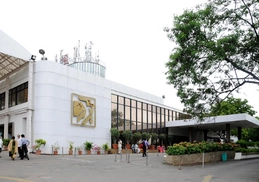
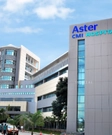
We partner with India's most respected accredited hospitals.


Frequently Asked Questions
The symptoms of spondylosis depend on the type of spondylosis you have. If you cervical spondylosis, you may have any of the following symptoms
- Pain or stiffness in the neck
- Weakness or numbness of the arms
- Shoulder pain
- Muscle fatigue
- Lumbar spondylosis symptoms include
- Low back pain
- Back stiffness
- Pain or numbness of the groin, thighs, buttocks, legs, etc
- Weakness in the legs
There are different surgeries for spondylosis. The type of surgery you will have depends on the cause of the condition. The goal of all surgeries is to reduce the pressure or compression on the spinal cord and nerves. The main decompression surgeries are
- Laminectomy or the removal of the lamina, to relieve the pressure on the spinal cord and nerves
- Discectomy to trim the part of the intervertebral disc that compress your spinal nerves
- Foraminotomy to increase the size of the openings for the spinal nerves
- Foraminectomy- A type of foraminotomy, where the surgeon will remove a lot of bone around the neural foramen
- Corpectomy to removes the bone spurs that compress the spinal cord.
- Spinal fusion surgery to provide stability to the spine after decompression surgeries.
You will have to be in the hospital for three to four days after surgery. For a few days, you may have to take proper rest as well as do some exercises. Pain will not be much of a problem and will go off in two to three days. You will have relief from symptoms within a few days
The cost of spondylosis surgery will depend on the type of surgery you need. However, the approximate cost of spondylosis surgery in India will be in the range of 11000 USD. The cost may vary according to the hospital as well as the extent of spondylosis
Get a Free Quote
We respond within 2 working hours.
Request Received!
A coordinator will contact you within 2 working hours.