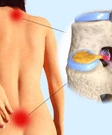
Spinal Tumors in India
Abnormal growth of cells within the spinal canal are termed as Spinal tumours.Surgery may be required to remove the tumour
What is Spinal Tumors?
Spine tumors are cancers that occur in the vertebrae that make up the spine or the spinal cord.
Primary spine tumors originate in the spine. Secondary or metastatic spine tumors occur due to the spread to the spine from cancers in other parts of the body.
Around ten percent of all spine tumors are primary tumors, while almost ninety percent are secondary tumors.
Spinal tumors can occur in the cervical, thoracic, lumbar, or sacral levels of the spine.
Tumors in the spine will put pressure on the spinal cord to cause various symptoms. These also weaken the spine to cause spinal fractures.
Back pain is the most common symptom of a spine tumor. Other symptoms mainly occur due to the compression of spinal nerves by the tumor.
Surgery to remove the tumor is a common mode of treatment. Other treatments include chemotherapy and radiation
Causes of Spinal Tumors
The exact cause of spinal tumors is not clear. Primary spinal tumors occur due to cancerous changes in the tissues of the spine.
Secondary spinal tumors occur due to the spread of cancers from other parts of the body. Cancers of the breast, lungs, stomach, intestine, etc. are more likely to spread to the spine.
Some of the risk factors that increase your chance of spinal cancers are
- A history of cancer to the lungs, breast, stomach, etc
- Genetic syndromes like Neurofibromatosis, Von-Hippel- Lindau syndrome, etc
- Lower immunity levels
- Exposure to electromagnetic radiation and industrial chemicals
It is possible to get spinal cancer without any of these risk factors.
Symptoms of Spinal Tumor
The symptoms of spinal cancer depend on the type, size, and location of the tumor. Most of the symptoms occur due to the compression of the spinal cord and nerves by the tumor.
In most, the symptoms worsen very slowly. But cancers secondary to prostate, kidneys, etc. can progress very quickly.
The common symptoms of spinal cancer are
Back pain- It is the most common early symptom. The main reason for back pain is the pressure on the spinal cord or nerves due to the tumor. Other reasons include weakening or fracture of the vertebrae.
Back pain due to spinal cancer
- Will worsen with time
- Increase in the night
- Do not go away with rest or other common treatments
- Spread to the arms or the legs
Neck pain- It is very common in those with cancers of the cervical spine. There will also be stiffness of the muscles leading to difficulty in moving the neck. The pain is usually continuous and does not go away with rest or other usual treatments. The pain usually gets severe in the night.
Most of the other symptoms occur due to the pressure of the tumor on the spinal nerves. The symptoms will change with the level of the spine that has the tumor. Some of the common symptoms are
- A weakness of the arms or the legs
- Numbness in some parts of the body- The pressure of the tumor on the spinal nerves can cause numbness in the areas supplied by these.
- Incontinence.
- Change in bowel habits
As the tumor grows in size, the symptoms usually worsen and will start affecting the routine life. These include;
- Pain while standing up
- Difficulty in walking
- Deformation of the spine
- Paralysis of the muscles in the limbs
Apart from this, other general symptoms of cancers will also occur. They include
- Sudden weight loss without trying
- Frequent fevers
- Loss of appetite
- Nausea
Spinal Tumor Diagnosis
If you some of the symptoms and your doctor wants to rule out spinal cancer, you will have some tests.
X-rays- An X-ray of the spine will reveal any changes in the vertebrae that make up the spine.
MRI scans- These give a three-dimensional picture of the spine. It will allow the doctor to detect the exact location of the tumor. The doctor will be able to identify the presence of nerves and nerve roots close to the tumor as well. It helps to plan the treatment without causing any damage to the nerves.
Biopsy- It helps to identify the type of tumor and to know whether it is cancerous or benign.
You may also have advanced diagnostic tests like;
Angiography- It helps to map the blood vessels that supply the tumor as well as those lying close to it. A surgeon will usually cut-off the blood supply to the tumor before surgery.
Nuclear bone scan- In this test, the doctor will inject traces of radioactive material into a vein in the arm or leg. This material will travel to the bones and gather inside the tumors. A nuclear scan will highlight these areas. It helps the doctor to identify the exact size and location of the tumor.
Treatments for different types of spinal cancer
The treatment for spinal cancer depends on the type and location of the tumor.
Vertebral column tumors- Most of these are secondary tumors. You may have surgery to remove the tumor. Radiation therapy will help to shrink the tumor before surgery. Stereotactic radiosurgery uses highly precise radiation beams to treat the tumor. The goal of surgery is to reduce the compression of the spinal cord. You may also have surgery to stabilize the spine after tumor removal. The surgeon will use bone grafts and metal plates and screws to stabilize the spine.
Intradural-extramedullary medullary tumors- These tumors lie within the covering of the spinal cord. Symptoms occur due to the compression of the spinal cord and nerves. Total surgical removal is the most common treatment. Tumors lying very close to the nerve roots will need radiation before or after surgery. Before surgery, it helps to shrink the tumor, and after surgery, it removes any remnants. Surgery is usually safe and does not cause any major complications.
Intramedullary tumors- These tumors occur within the spinal cord. You may have surgery or radiation to treat these. The main aim of treatment is to remove or destroy the tumor completely without any complications. The surgeon will take care not to damage any nerve lying close to the tumor.
Outcome
The important factor that affects the outcome is the time of detection of the tumor. Early detection helps in early treatment, which improves the success rate. Any type of back pain that does not go off with rest or usual treatments needs proper investigations to rule out spine cancer.
In those suffering from cancers in other organs, sudden pain in the spine or back could be due to a spread to the spine. Periodic X-rays will help to detect these at the earliest
Top Hospitals for Spinal Tumors
We partner with India's most respected accredited hospitals.






Frequently Asked Questions
The symptoms usually depend on the location of the tumour. Pain in the neck or the back is the most common early symptom. The pain due to spinal tumour does not go away with rest or medicines. It is usually worse during the nights. Other symptoms occur when the tumour starts pressing on the spinal cord or nerves. These include pain, numbness or weakness in the arms, legs etc, bladder and bowel problems, spine deformity etc.
Sudden weight loss, frequent fevers, loss of appetite etc are some of the general symptoms.
Surgery is by far the main treatment for spinal tumours. Complete removal of the tumour through surgery can help to relieve the symptoms. Care will be taken not to cause damage to the spinal cord and nerves. Most of those who have surgery in the early stages have a longer survival rate.
If the tumour is large, one will have radiation therapy to reduce its size. Stereotactic radiosurgery is a type of radiation therapy using highly precise radiation beams. It causes very little damage to the surrounding tissues.
You may have open surgery or minimally invasive surgery for spinal tumours. Robotic surgery where the surgeon uses robotic arms to remove the tumour is the latest option. The advantage of minimally invasive or robotic surgery is the lesser chances of complications. The recovery is also comparatively faster.
Surgery aims to remove the tumour completely and relieve the pressure on the spinal cord and nerves. Surgery is more successful during the early stages of the disease
The average cost of spinal tumour surgery in India is around 11000 USD . The charges will vary according to the hospital, your health condition, the extent of the tumour etc. You will have to be in the hospital for five to six days after surgery. A longer hospital stay will increase the cost
Get a Free Quote
We respond within 2 working hours.
Request Received!
A coordinator will contact you within 2 working hours.