Shoulder Replacement in India
Shoulder replacement surgery replaces all or part of the shoulder joint with an implant and is a good option for arthritis
What is Shoulder Replacement?
A shoulder joint replacement surgery replaces your natural shoulder joint with an artificial joint. If you have a severe problem with your shoulder joint that limits its movement, a shoulder replacement is the right choice.
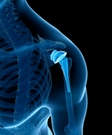
Your shoulder joint has three bones. These are the upper arm bone or humerus, your shoulder blade or scapula, and the collar bone or clavicle.
The head of your upper arm bone has a round end like a ball, and your shoulder blade has a small depression like a socket called the glenoid fossa. The head of the humerus fits into the glenoid fossa to form the shoulder joint.
Muscles, ligaments, and tendons make the joint stable. Cartilages cover the end of the bones to provide a cushioning effect, and to prevent the rubbing of bones during movement. Synovial fluid provides lubrication to the joint.
The shoulder joint helps to lift, rotate, or stretch your upper arm. It helps to keep your arms stable while lifting weights. But some diseases affecting your shoulder can damage the joint.
Arthritis is the most common cause of a shoulder problem. Injury to the muscles or ligaments is another. Pain and difficulty in moving the upper arm are the most common signs of the problem.
Medicines, exercises, and physical therapy will help you in the early stages. If the problems worsen, you will need a shoulder replacement surgery. During this, the surgeon will replace the end of your upper arm bone and the socket with metal prostheses.
Your artificial shoulder joint will last only for twelve to fifteen years. After that, you will need another surgery to fix a new joint.
Triggers for a shoulder replacement
- Osteoarthritis- In this disease, the cartilages that prevent the bone ends from rubbing against each other wears away. It results in friction during movement of the bones, causing pain.
- Rheumatoid arthritis- In this, the immune system of a person’s body attacks the joints to cause pain and swelling.
- Fracture of the upper arm bone- Severe fractures on the end of your arm bone will be difficult to repair correctly. You may have to replace the end of the bone with an artificial joint.
- Necrosis of the joint- In this condition, a lack of blood supply causes severe joint damage.
- A large tear in your rotator cuff- A rotator cuff is a group of muscles in the shoulder that help you to lift your upper arm.
Shoulder joint replacement surgery- When to do it
You may have a shoulder replacement surgery due to various reasons. The common ones are
- Pain while moving your shoulder joint- You can feel pain while doing routine chores like combing, brushing, bathing, etc. Lifting even small weights may also give you severe pain
- Pain at rest- If you have pain even when you give rest to the joint it is time to think of the surgery
- A weakness of the joint- You feel a general weakness of your upper arm. It is tough for you to move your arms or lift any weight. The weakness may affect your job as well
- Stiffness of the joint-Your joint is so stiff that you can move your upper arm only very slightly.
Conditions that contraindicate a shoulder replacement
You may not have a shoulder replacement surgery if you have some conditions that affect the success of the operation. They include
- Diabetes- If you have diabetes, the chances of complications are more. Poor wound healing, more extended hospital stay, a longer recovery time, etc. are some of the disadvantages.
- Obesity- If you are overweight, it will be a good idea to lose weight before surgery. Overweight persons may not get the same benefits of a healthy person after surgery. The chances of complications are also more than usual.
- Depression- Persons suffering from clinical depression are not good candidates for the surgery. It is better to treat the depression first and go for the surgery after that.
- Parkinson’s disease- Those having this condition will have more complications from surgery than usual.
Types of shoulder joint replacement surgery
There are three main types of shoulder replacement surgery. The operation that is best for you will depend on the condition of your joint.
- Total shoulder replacement surgery- The surgeon will replace the ball of the humerus with a metal ball. Your glenoid fossa will have a new plastic surface. The surgeon will use bone cement to fix the components.
- Partial shoulder replacement surgery- Your surgeon will replace only the ball of the humerus. The socket is left intact. This surgery is ideal for those with a fracture at the head of the humerus.
- Reverse shoulder replacement surgery- In this, the ball gets fitted to the glenoid fossa, and the head of the humerus will be like a socket. This surgery is best for those with a severely torn rotator cuff. You may also have this surgery if the previous shoulder replacement is a failure.
The shoulder joint replacement surgery procedure
Before surgery
You will have a few medical tests to assess whether you are a fit candidate for surgery. The surgeon will take X-rays and MRI scans of your shoulder to plan for the operation.
If you are using any blood thinners, you will have to stop this a few days before. If you drink or smoke, you should stop these habits until the recovery is complete. You also will have to be physically active.
You will be out of routine activities for a few weeks. So, you will have to make proper arrangements at home and office.
During surgery
You will have the surgery under general anesthesia. Hence you will sleep through the surgery. The surgeon will do the operation through an incision in your shoulders.
They will remove your diseased joint and replace it with artificial components using bone cement. You will then have sutures or staples to close the incisions.
After surgery
Once you wake up, you will find a heavy bandage on your shoulders. There may be a small tube coming out from the shoulder to drain any fluids in the joint.
Once you are back to your normal senses, you will go back to your hospital room.
Recovery from shoulder joint replacement surgery
While at hospital
It is usual for you to feel some pain soon after surgery. It will subside in a day or two. Pain killers will help to relieve the pain. You will have a sling over your shoulders for a few days. It is to prevent you from exerting the joint.
You will have to walk around the room while you are in hospital. It will improve your blood circulation, which will help in the faster healing of the wound and recovery. You will have to keep icepacks in your shoulders to prevent swelling.
Physical therapy will start the day after surgery. Your physical therapist will teach you some exercises which you will have to do at regular intervals. You will go back home after two days of surgery.
At home
The incision wound will take a few days to heal. You need to care for the wound by keeping it clean and dry to prevent any infections. You can start bathing after three or four days.
You must avoid sleeping on the operated shoulder. While at home, you will continue doing the shoulder exercises. It will help you to recover faster and avoid stiffness of the joint.
There are few precuations for you to follow such as
- You will not lift anything heavier than a cup of water for the first few days.
- Routine activities can start after two to three weeks depending on the progress you make.
- Driving will have to wait for four to five weeks.
You will have follow-up visits to the hospitals regularly. The surgeon will advise you about what you can do and not during these visits. After two months, your shoulder will feel normal.
What are the complications after shoulder joint replacement surgery?
More than 95 % of those who have a shoulder replacement will not have any complications. Sticking to the exercises and the instructions of the doctor will help prevent most.
Some of the complications a few may have are:
- Pain in the joint
- Stiffness
- Loosening of the artificial joint
- Fracture of the artificial joint
- Damage to the rotator cuff
Some of the common risks of surgery are
- Reaction to anesthesia or medications
- Bleeding
- Swelling of the joint
- Injury to nerves
Top Hospitals for Shoulder Replacement
We partner with India's most respected accredited hospitals.





Frequently Asked Questions
The complete recovery from a shoulder replacement surgery will take about eight to ten months
Even after this, you need to take a few precautions for another two or three months. Physical therapy that makes the muscles in the shoulder will help to make the joint stable and flexible. You need to do the recommended exercises regularly to strengthen the joint.
You will not feel any pain during the surgery, as you will be under general anesthesia. Soon after surgery, it is normal to have pain in the operated shoulder for a few days. Painkillers will help you to control the pain. You will feel some amount of pain till the surgical wound heals as well as the tissues in the shoulder heals. Sticking to the instructions of the surgeon will help the make healing faster.
The cost of a shoulder replacement surgery in India will be around 10000 USD
The cost will vary as per the type of surgery- A total shoulder replacement will cost more than a partial replacement. A reverse shoulder replacement will cost more. The cost will also change according to the type of implant
Get a Free Quote
We respond within 2 working hours.
Request Received!
A coordinator will contact you within 2 working hours.