
Parkinson's Disease Treatment in India
Kampa Vata or Vepathu is the Ayurvedic name for Parkinson's disease. Ayurvedic treatment for Parkinson's disease has shown excellent results in most cases.
What is Parkinson's Disease Treatment?
Detailed information about Parkinson's Disease Treatment coming soon. Contact us for personalised guidance from our medical coordinators.
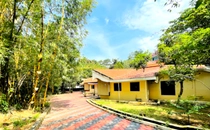
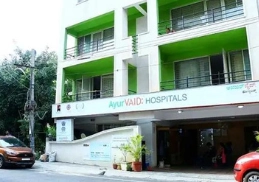
Top Hospitals for Parkinson's Disease Treatment
We partner with India's most respected accredited hospitals.

Patient Stories
Real experiences from patients who chose India for Parkinson's Disease Treatment.

Sabine Rettberg
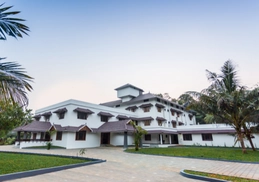
We are from Germany. We were very glad that we found INDHEAL online while looking for Parkinson's treatment. INDHEAL team gave us good advice which made our trip very smooth and relaxing for us. I feel so much better with my Parkinson’s disease now.
We are very glad that we found INDHEAL online who gave us good advice which made our trip very smooth and relaxing for us. I feel so much better with my Parkinson’s disease after undergoing 21 days treatment at Tharavad Retreat. We can’t find words to explain how well they took care of us. The entire team involved was very helpful, patient, smiling and were doing things from the heart.

Hatim Banjar
Am a 41 year old Saudi national suffering from Parkinson's disease for more than 5 years. I could find Ayurveda treatment at Tharavad Ayurveda through INDHEAL. The treatment has given me a lot of benefits from this and am thankful to INDHEAL and Tharavad
Am a 41 year old Saudi national suffering from Parkinson's disease for more than 5 years. I couldn't find any treatment other than medications which takes away more than it gives. While searching on internet, I found INDHEAL. They suggested Tharavad Ayurveda retreat for me. I gained a lot of benefits from this and am thankful to INDHEAL and Tharavad for all the help provided to me
Frequently Asked Questions
Stage 1 (Mild): Symptoms like minor tremors or stiffness affect only one side of the body and do not interfere with daily activities.
Stage 2 (Moderate): Symptoms spread to both sides of the body, causing noticeable stiffness and walking changes, but independence is still maintained.
Stage 3 (Mid-Stage): Marked by loss of balance and slowed reflexes, significantly increasing fall risks while the patient remains physically independent for basic tasks.
Stage 4 (Advanced): Severe disability sets in where the patient can still stand or walk with a walker, but requires help with daily living and can no longer live alone.
Stage 5 (End-Stage): Extreme muscular rigidity leaves the patient confined to a wheelchair or bed, requiring round-the-clock nursing care.
Get a Free Quote
We respond within 2 working hours.
Request Received!
A coordinator will contact you within 2 working hours.